How to bleed a cars cooling system step by step


  July 29, 2024

How to bleed a cars cooling system step by step

Bleeding your car's cooling system is an essential maintenance task that ensures your engine remains at an optimal temperature. This step-by-step guide will walk you through the process of bleeding a car's cooling system, helping you remove any air pockets that could cause overheating. Follow these instructions to keep your car running smoothly and efficiently.

Why Bleeding Your Car's Cooling System Is Important

Air pockets in your car's cooling system can lead to several issues, including engine overheating, reduced efficiency, and even engine damage. When you bleed the cooling system, you remove trapped air, allowing the coolant to flow freely and maintain the engine's temperature effectively.

Tools and Materials Needed

Before you start, gather the following tools and materials:
  • A set of wrenches and screwdrivers
  • A funnel
  • Coolant (check your car's manual for the recommended type)
  • A container to catch old coolant
  • Gloves and safety goggles
 Having these tools and materials on hand will make the process smoother and safer.

Step-by-Step Guide to Bleeding Your Car's Cooling System


Step 1: Ensure Safety First

Before working on your car, make sure it's parked on a level surface and the engine is completely cool. Open the hood and put on your gloves and safety goggles to protect yourself from any potential spills or splashes.

Step 2: Locate the Radiator and Coolant Reservoir

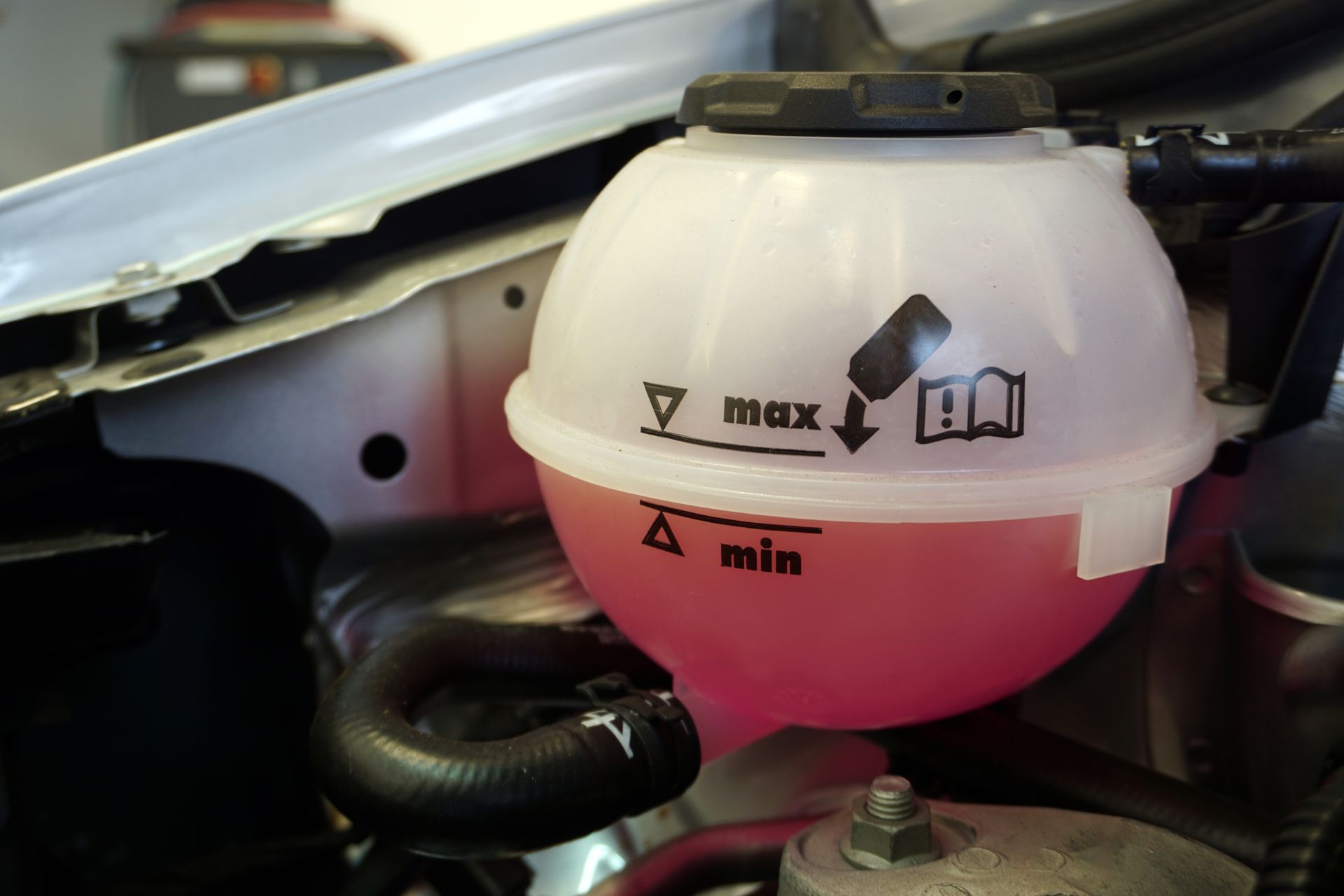
Find the radiator and the coolant reservoir in your car. The radiator is typically located at the front of the engine bay, while the coolant reservoir is a plastic tank connected to the radiator.

Step 3: Remove the Radiator Cap

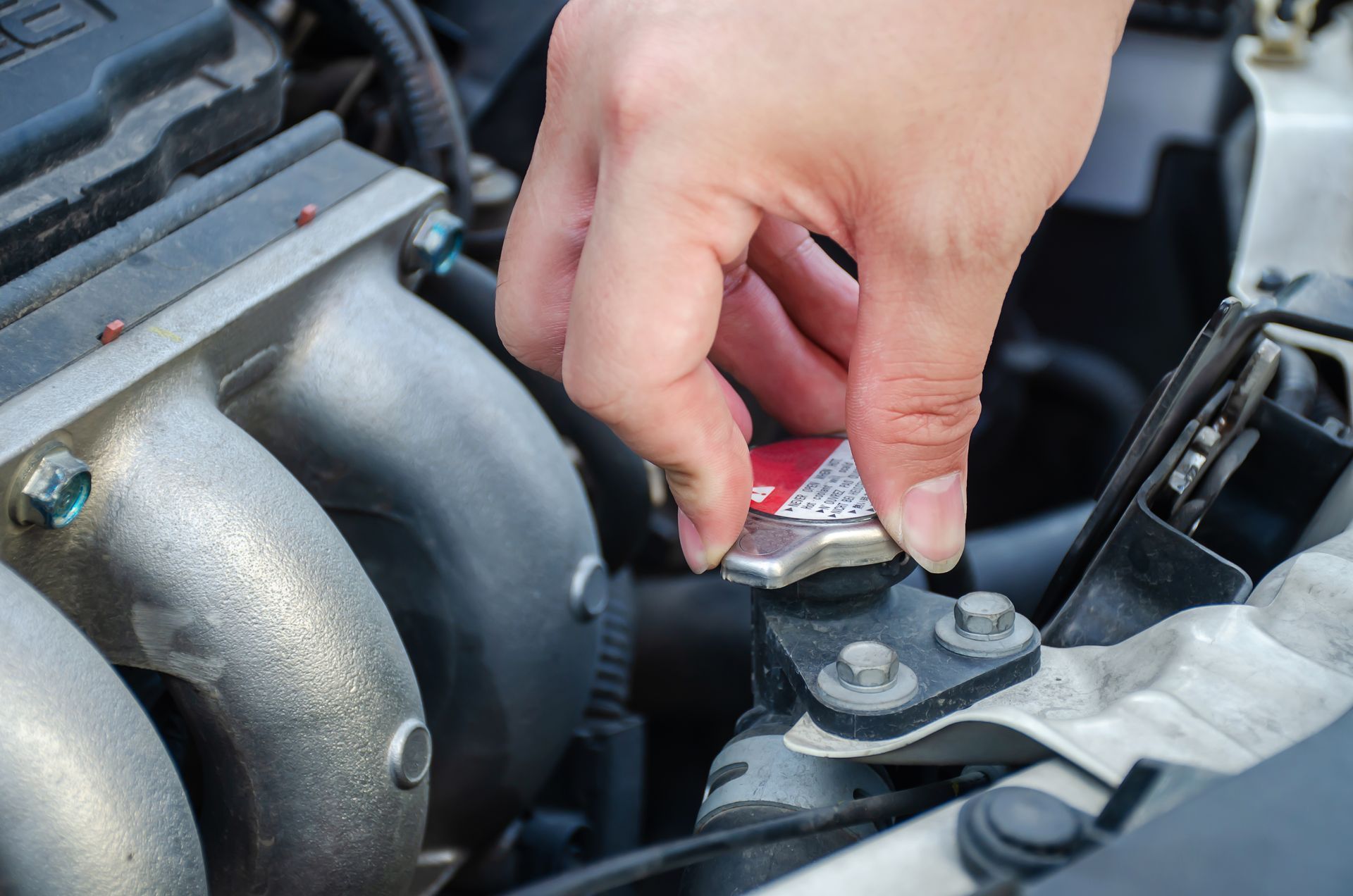
Carefully remove the radiator cap by turning it counterclockwise. Be cautious, as there may still be some pressure in the system. It's essential to do this when the engine is cool to avoid burns from hot coolant.

Step 4: Drain the Old Coolant

Place a container under the radiator drain plug and open it to let the old coolant drain out. Once the coolant has drained completely, close the drain plug securely.

Step 5: Refill the Radiator with Fresh Coolant

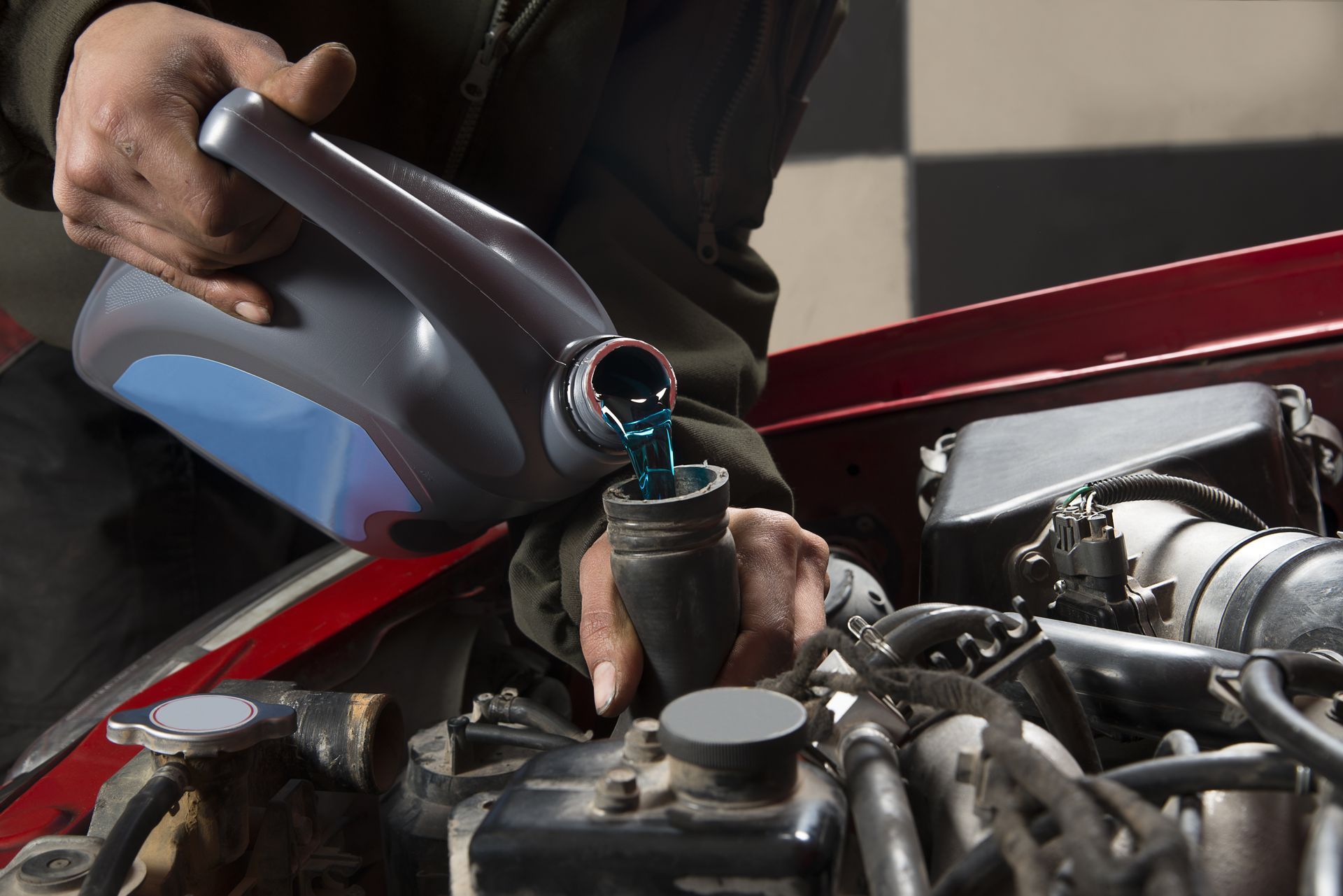
Insert a funnel into the radiator opening and pour the fresh coolant slowly. Fill it until the coolant reaches the top of the radiator. This step ensures there is enough coolant in the system to work effectively.

Step 6: Start the Engine

Start the engine and let it run for a few minutes. This helps the coolant circulate through the system and allows any trapped air to rise to the top. Keep an eye on the temperature gauge to ensure the engine doesn't overheat.

Step 7: Open the Bleeder Valve

Some cars have a bleeder valve located on the thermostat housing or near the water pump. If your car has one, open it slightly to release any trapped air. You should see coolant mixed with air bubbles coming out. When you see a steady stream of coolant, close the valve.

Step 8: Check the Coolant Level

Turn off the engine and let it cool down. Once it's cool, check the coolant level in the radiator and the reservoir. Add more coolant if necessary to ensure both are filled to the recommended levels.

Step 9: Replace the Radiator Cap

After confirming the coolant levels are correct, securely replace the radiator cap by turning it clockwise until it clicks into place.

Step 10: Test Drive Your Car

Take your car for a short test drive to ensure the cooling system is working properly. Keep an eye on the temperature gauge and watch for any signs of overheating. If everything looks good, you've successfully bled your car's cooling system!

Common Issues and Troubleshooting

Overheating After Bleeding

If your car continues to overheat after bleeding the cooling system, it could indicate a more serious issue such as a faulty thermostat or water pump. In this case, it's best to consult a professional mechanic for further diagnosis and repair.

Coolant Leaks

After bleeding the cooling system, inspect the area around the radiator, hoses, and water pump for any signs of leaks. If you find any, address them immediately to prevent further issues.

Persistent Air Pockets

If you notice air pockets persist even after bleeding the system, you may need to repeat the process. Ensure you're following each step carefully and giving the coolant enough time to circulate and release trapped air.

Tips for Maintaining Your Car's Cooling System

  1. Regularly Check Coolant Levels: Make it a habit to check your coolant levels every few weeks and top up as needed.
  2. Inspect Hoses and Belts: Keep an eye on the condition of your radiator hoses and belts. Replace any that show signs of wear or damage.
  3. Flush the System Periodically: Every two years or as recommended by your car's manufacturer, flush the cooling system to remove any buildup of debris and old coolant.
  4. Use the Right Coolant: Always use the type of coolant specified in your car's manual. Mixing different types of coolants can lead to chemical reactions and damage to the cooling system.

Conclusion

Bleeding your car's cooling system is a crucial maintenance task that can prevent overheating and keep your engine running smoothly. By following these step-by-step instructions and regularly maintaining your cooling system, you can ensure your car stays in top condition. Remember, if you encounter any issues beyond your expertise, don't hesitate to seek professional help. By taking these proactive steps, you'll not only extend the life of your car but also enjoy a more reliable and efficient driving experience.

Recent Posts

Loading posts…

Appointments

Schedule an appointment with Lee's Service

SHARE THIS

Latest Posts

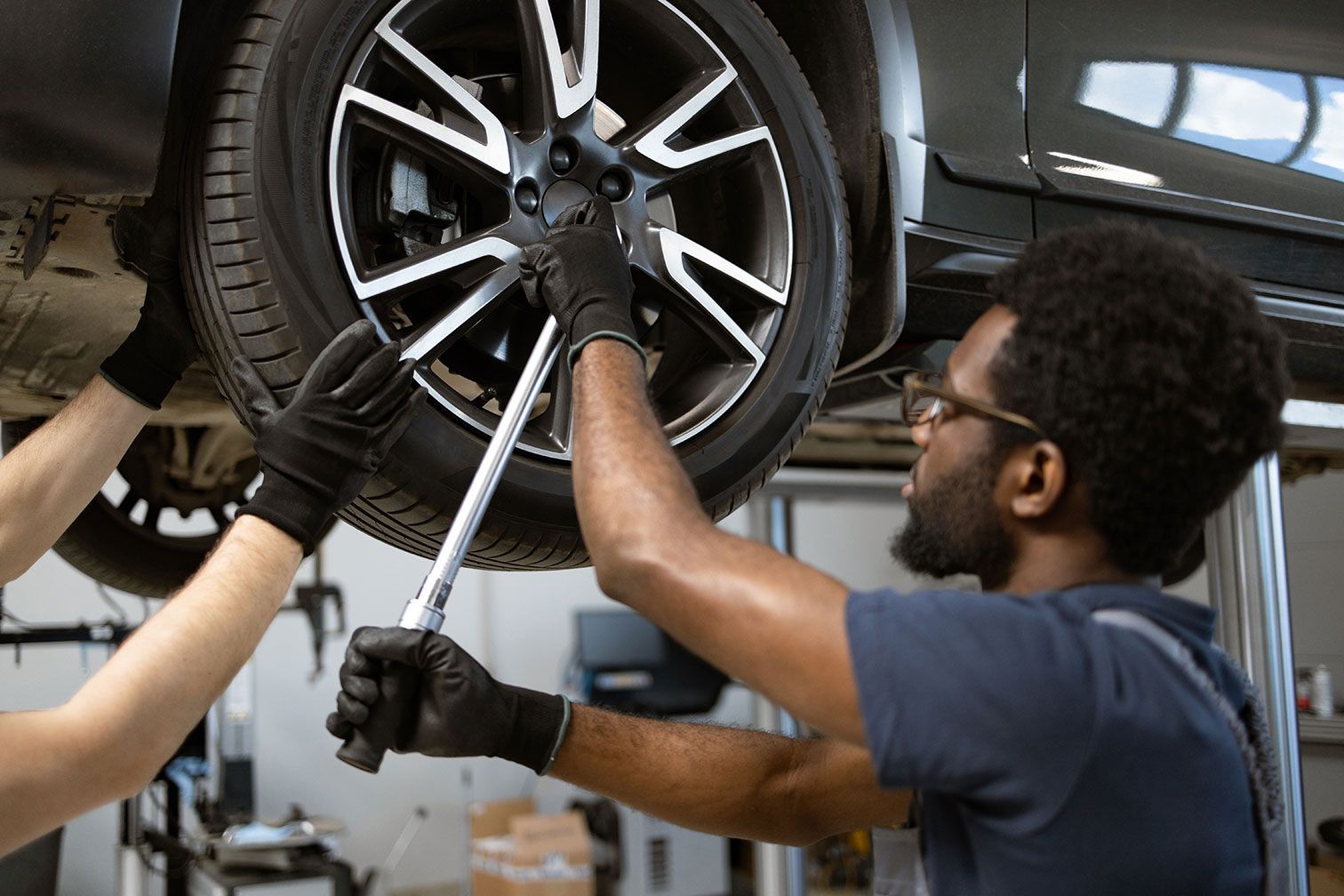
A man is working on a car wheel with a wrench
June 12, 2026
When it comes to car maintenance, your tires are often overlooked, but they are one of the most critical components of your vehicle. Good tires not only enhance driving safety but also improve fuel efficiency, handling, and overall driving comfort.
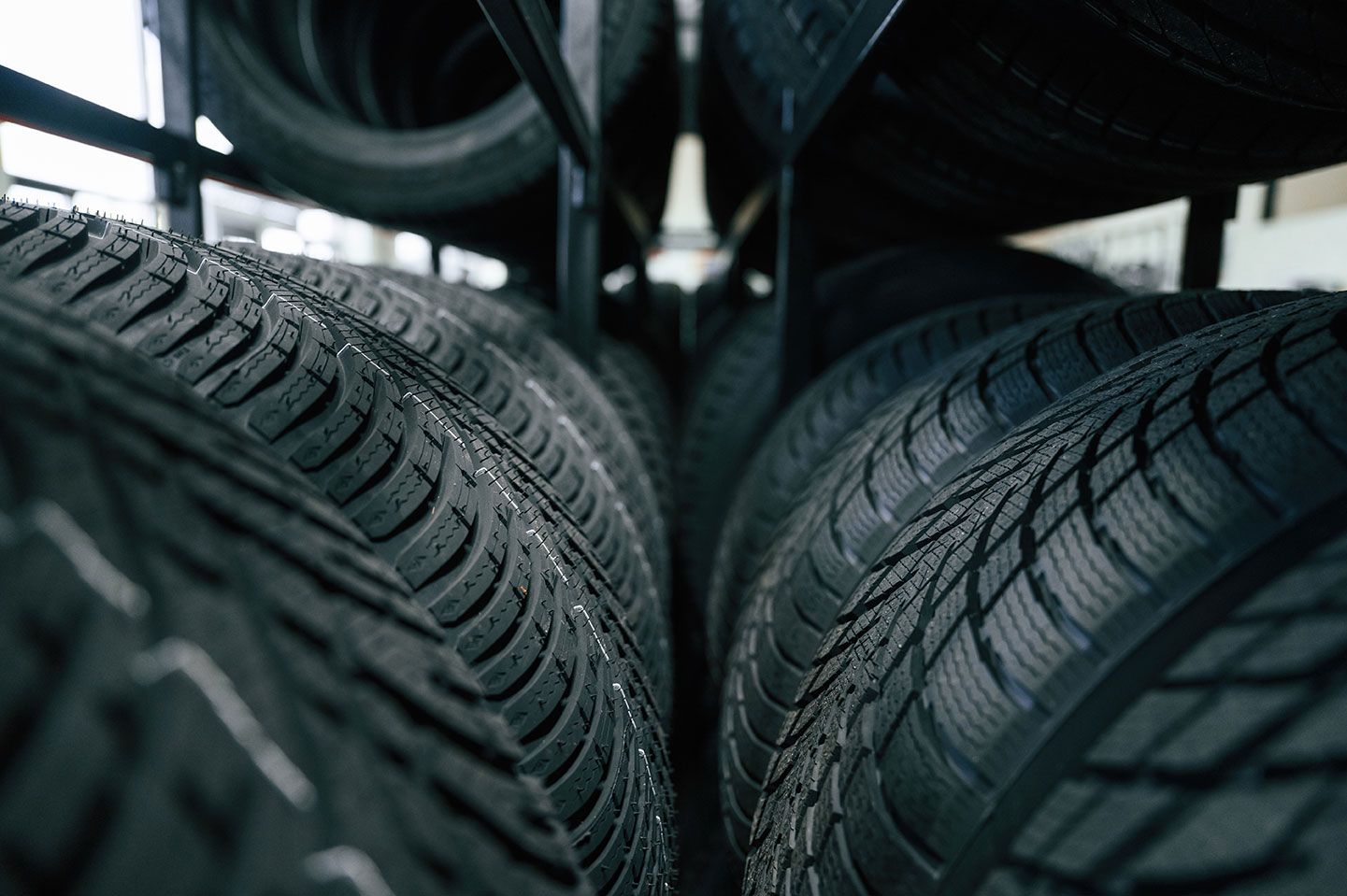
A bunch of tires are stacked on top of each other on a rack.
June 10, 2026
Choosing the right tires is one of the most critical decisions you'll make for your vehicle. Tires directly affect your car’s performance, safety, and fuel efficiency. With so many options on the market, it can be overwhelming to find the right set.
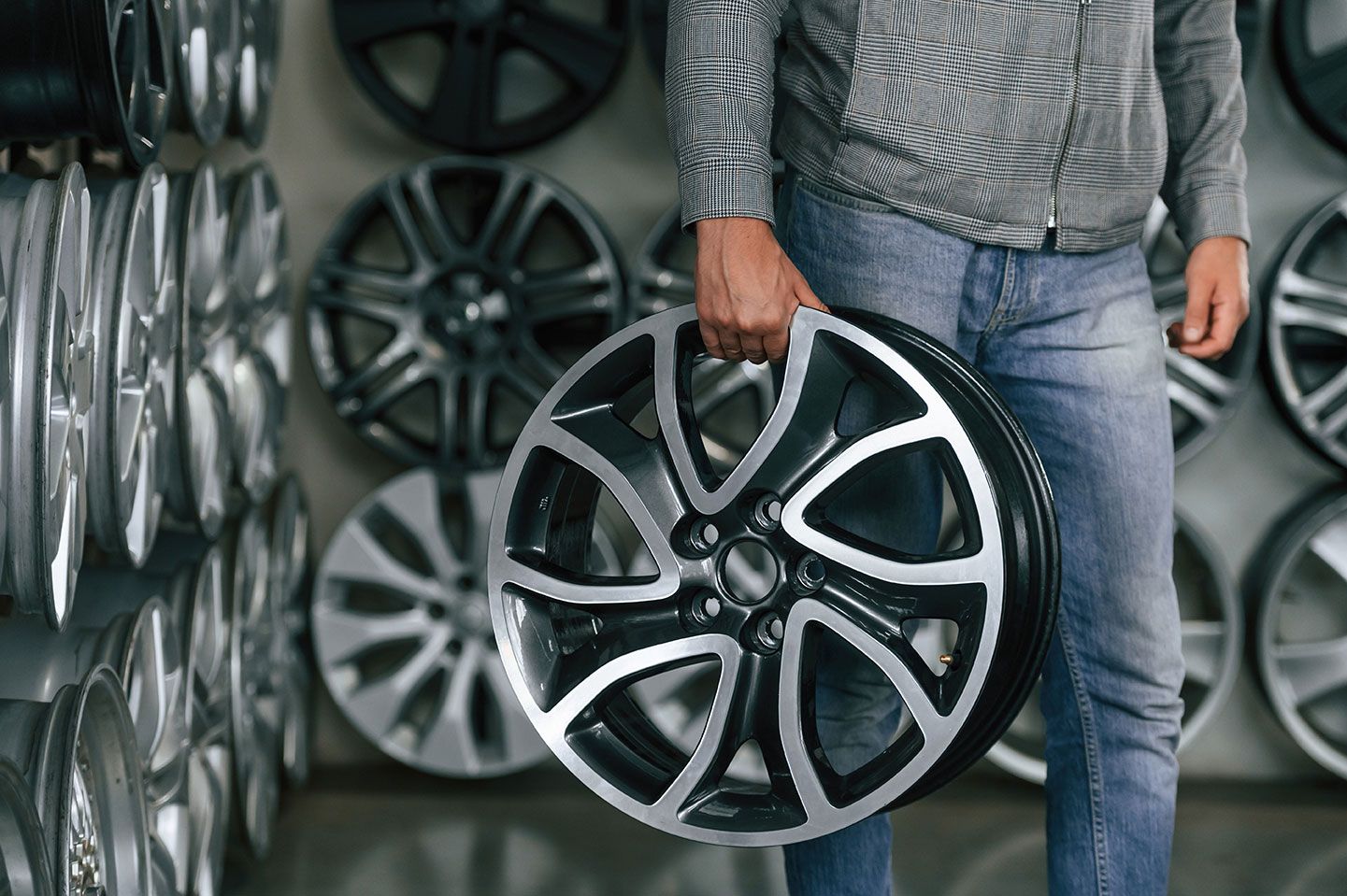
A man is holding a car wheel in front of a wall of wheels.
June 10, 2026
When it comes to the performance, safety, and aesthetics of your car, one often-overlooked but crucial component is the wheel. Car wheels serve not only as the foundation for movement but also play a significant role in handling, fuel efficiency, and overall driving experience. In this blog, we’ll dive deep into everything you need to know about car wheels, from their construction to how to choose the best ones for your vehicle.
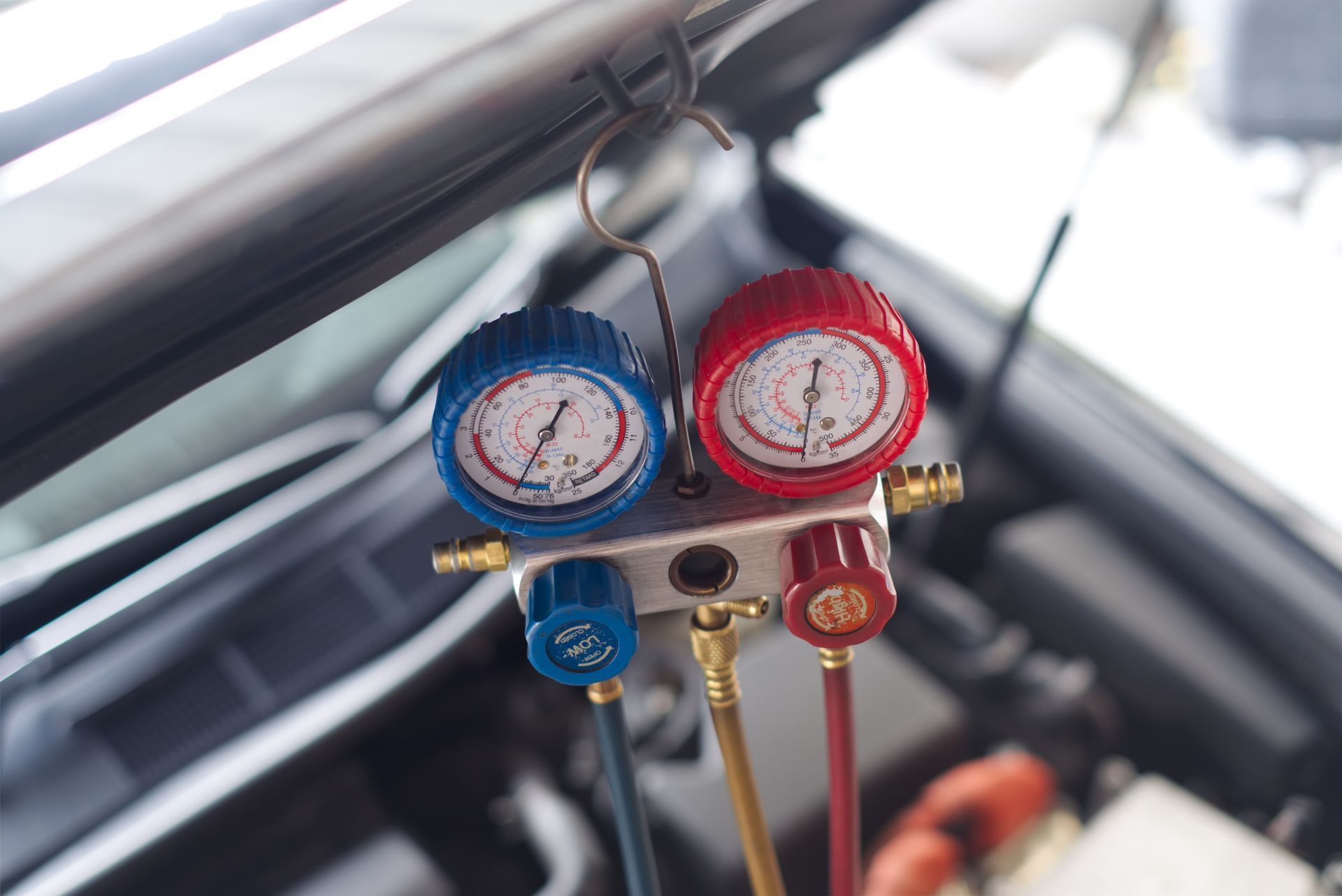
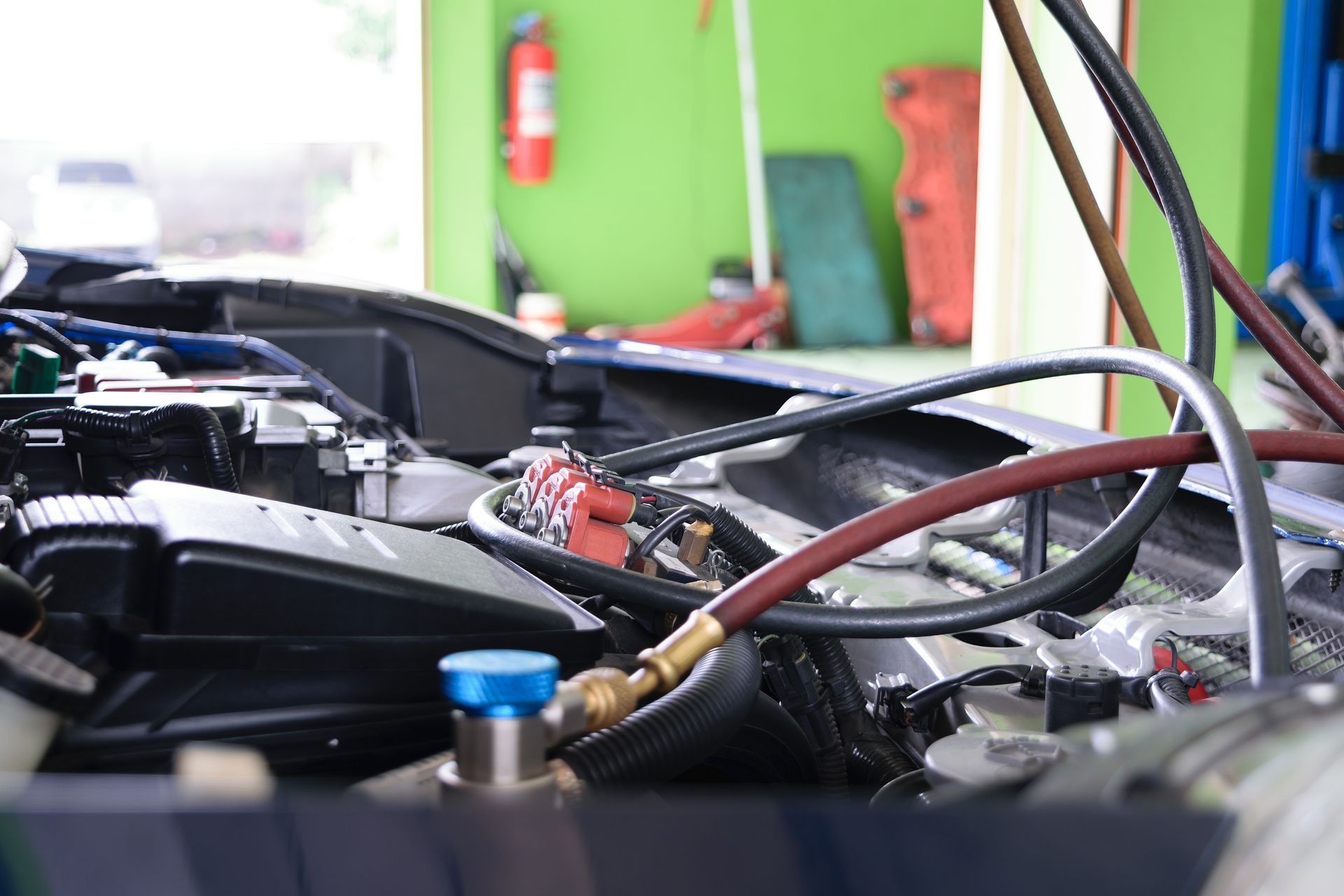
Blue and red automotive gauges on a manifold gauge set, with hoses attached in a car engine bay
April 21, 2026
Get reliable AC check services in Fresno CA for cars, trucks, and SUVs. Lee’s Service keeps your vehicle cool with expert diagnostics and repairs.
March 14, 2026
Need Chevrolet Silverado AC repair in Fresno, CA? Lee’s Service provides AC diagnostics, refrigerant service, and complete air conditioning repair for Silverado trucks.

Black Ford pickup truck parked in a dealership lot, side view
February 10, 2026
Learn the warning signs of a worn serpentine belt on your Ford F-150 and why timely replacement at Lee's Service in Reedley, CA helps prevent breakdowns.

Black sedan parked on a gravel road beside a grassy field under an overcast sky
January 22, 2026
Learn how to spot tire wear on your Honda CR-V, when to replace tires, and what causes uneven wear. Expert tire service at Duxler Automotive in Libertyville, IL.
Rear view of a maroon Chevrolet Silverado truck in a parking lot, with a white pickup in the background
December 29, 2025
Learn how often your Chevy Silverado needs an oil change, what affects oil life, and the benefits of regular oil service at Lee’s Service.
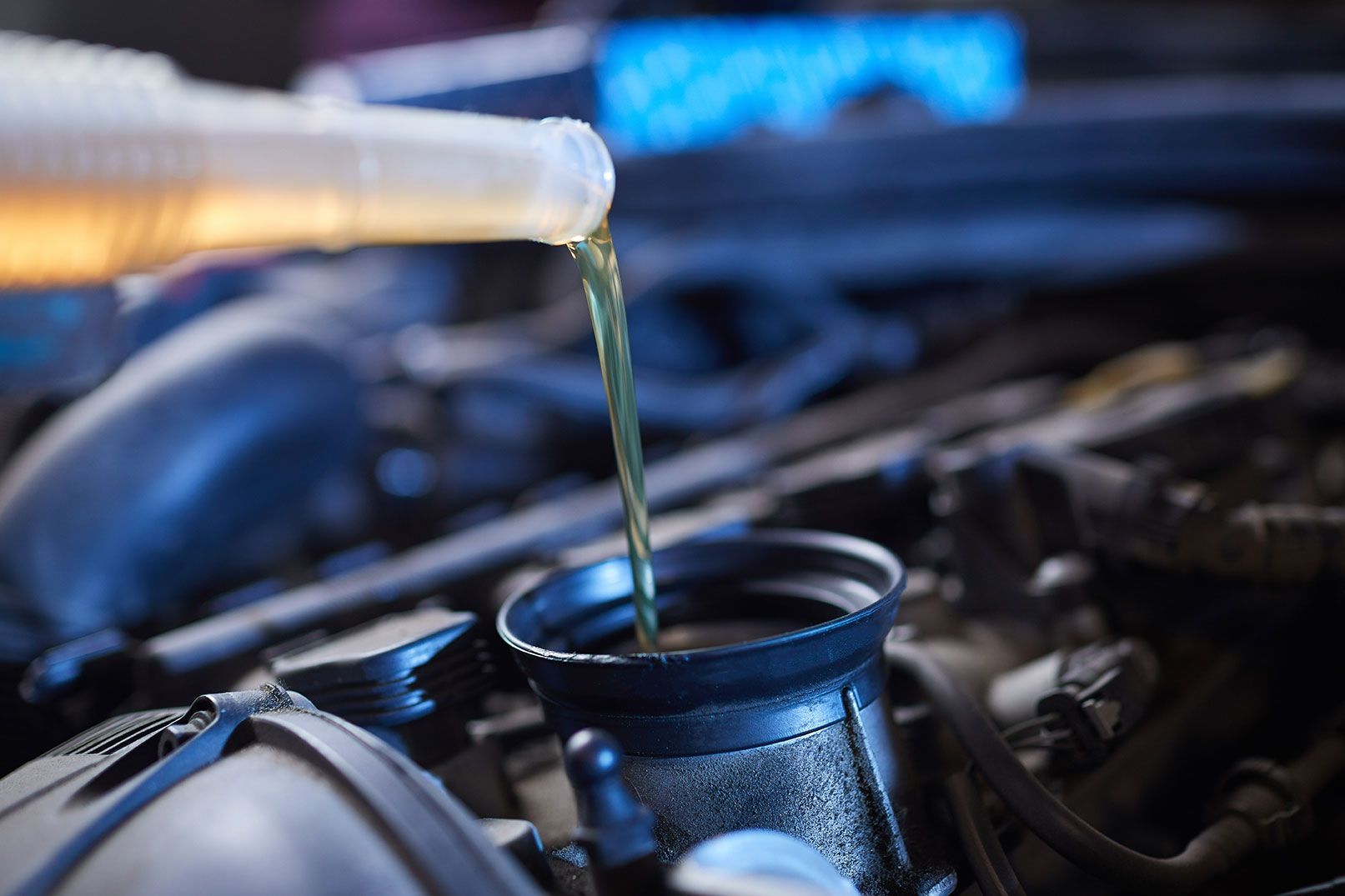
Pouring motor oil into a car engine under the hood
December 2, 2025
Learn how often your Toyota Camry needs an oil change and how Central Valley conditions affect service intervals. Visit Lee’s Service in Reedley, CA for expert oil changes.
Gloved hand holding a metal brake disc in a workshop
November 2, 2025
Learn the signs your Toyota Camry needs brake repair and why Reedley and Fresno drivers trust Lee’s Service for safe, reliable brake pads, rotors, and diagnostics.

Show More